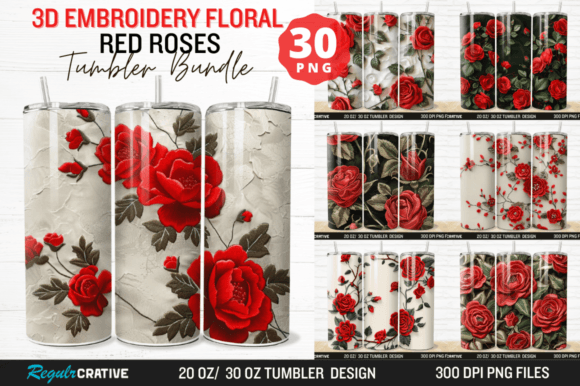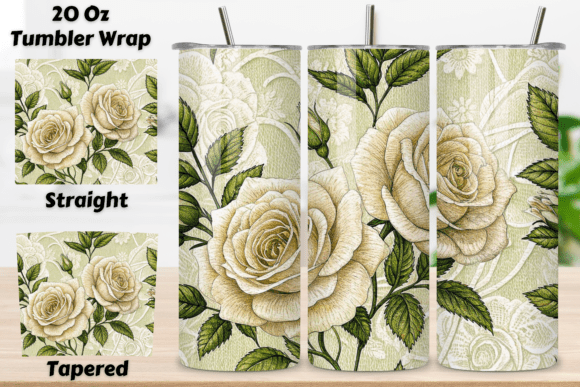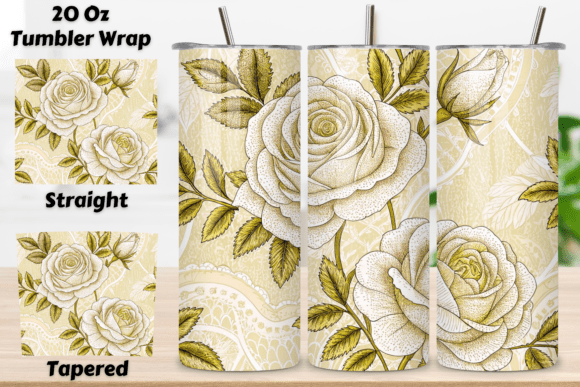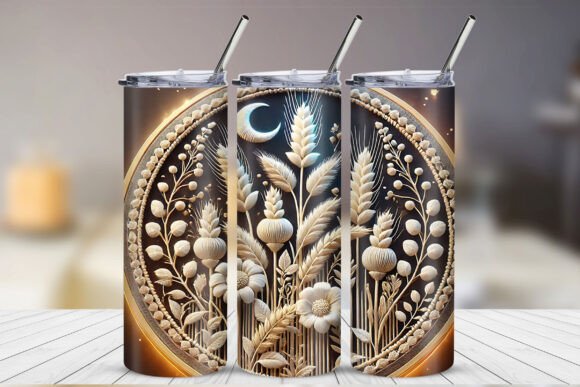
3D Grain Embroidery Tumbler Design Wrap
As an embroidery designer who has spent years refining stitches and testing fabric interactions, I approach every new digital asset with a mix of curiosity and caution. When I first encountered the 3D Grain Embroidery Tumbler Design Wrap, my immediate instinct was to look past the novelty of the name and examine the structural integrity of the design itself. In the world of personalized gifts, visual appeal is only half the battle; the other half is whether the design survives the hoop, the needle, and the washing machine. This review is based on a practical assessment of how this specific embroidery file translates from a screen to a tangible, high-value product.
First Impressions: Mood and Aesthetic Appeal
The term "Grain" in the title suggests texture, organic movement, and perhaps a touch of rustic elegance. From a design perspective, this is a powerful combination for modern home decor and gift items. The 3D effect implies depth, which catches light beautifully in finished products. For an Etsy seller or small business owner, this aesthetic hits several key trends simultaneously: it feels handmade yet professional, playful yet sophisticated.
When reviewing the provided PNG files—one straight and one tapered—I noticed that the AI generation process provided a strong foundational pattern, but the meticulous editing in Photoshop was where the true value lay. The lines are clean, and the negative space is balanced. This balance is crucial because it prevents the design from looking cluttered when stitched out. The mood is warm and inviting. It does not scream for attention but rather invites the viewer to touch the surface. This emotional connection is what drives sales in the personalized gift market. Whether applied to a nursery item or a wedding keepsake, the design carries a sense of care and intentionality.
Application Scenarios: Beyond the Tumbler
While the product is categorized under Tumbler Wraps and Graphics, limiting its use to drinkware would be a missed opportunity. As a designer planning for a broader inventory, I see immense potential for this machine embroidery design across various textile categories. Let us explore how this design performs in real-world scenarios.
Baby and Nursery Products
Baby embroidery requires designs that are soft to the touch and visually soothing. The grain texture, if executed correctly with appropriate thread choices, can mimic the softness of natural fibers. Imagine this wrap on a muslin blanket or a cotton burp cloth. The contrast between the smooth fabric and the textured stitch work adds a premium feel. Parents are increasingly looking for heirloom-quality items, and a well-executed 3D grain pattern on a pillow cover or crib sheet can elevate a simple baby shower gift into a cherished memory. However, care must be taken to ensure the stitching is not too dense against delicate baby skin.
Wedding and Family Keepsakes
For wedding gifts, the aesthetic needs to be timeless. The organic nature of the grain design works exceptionally well for custom aprons given to newlyweds or embroidered towels for their new home. It bridges the gap between traditional monogramming and modern abstract art. Furthermore, as a family keepsake, this design can be adapted for anniversary pillows or framed fabric art. The versatility of the straight and tapered files allows for different aspect ratios, making it suitable for both wide banner-style applications and more compact focal points.
Craft Fair and Market Items
If you are a handmade seller preparing for craft fairs, visual impact is everything. A tote bag featuring this design will stand out on a table full of standard floral prints. The 3D element creates shadows and highlights that draw the eye even from a distance. Similarly, for kitchen towels or aprons, the design offers a contemporary twist on classic utility items. These are impulse-buy friendly products that benefit greatly from a unique graphic identity.
Technical Considerations and Fabric Compatibility
No design is perfect for every surface. Understanding the limitations of the stitch density and the physical properties of the target fabric is essential for maintaining customer trust. Here are critical areas where caution is advised.
- Textured and Thick Fabrics: While the design looks crisp on a mockup, applying it to thick towels or heavily textured fabrics like boucle can obscure fine details. The needle may struggle to penetrate deeply enough, leading to skipped stitches or a lack of definition in the grain pattern. Always test on scrap pieces of your actual production fabric.
- Stretchy Materials: For stretchy baby clothes or jersey knit items, stabilization is paramount. Without proper backing, the tension of the 3D stitches can pucker the fabric, ruining the silhouette of the garment. A cut-away stabilizer is often recommended for such projects to maintain longevity.
- Small Details and Lettering: If the design includes any accompanying text, ensure it is large enough to remain legible after stitching. Tiny serifs or thin lines may fill in with thread, creating a muddy appearance. Review the smallest elements of the PNG before committing to a production run.
- Dark vs. Light Fabrics: Thread color contrast is vital. On dark fabric, lighter threads may require an underlay stitch to prevent transparency. Conversely, very dark threads on light fabric can sometimes appear harsh if the stitch length is not optimized. Compare light and dark fabric mockups to visualize the final impact.
Enhancing Perceived Value and Giftability
In the digital marketplace, the photograph is your primary sales tool. A high-quality printable mockup can significantly boost buyer engagement by helping customers visualize the end result. The 3D Grain Embroidery Tumbler Design Wrap lends itself well to lifestyle photography. When styled on a wooden table with coffee beans or surrounded by baby essentials, the design tells a story of quality and thoughtfulness.
This perceived value directly impacts customer trust. Buyers are willing to pay a premium for items that look professionally finished. By ensuring that your commercial embroidery output matches the precision of the digital file, you reinforce your brand’s reputation for excellence. The tactile experience of running fingers over the raised grain stitches adds a sensory layer that online shopping cannot replicate, fostering a deeper emotional connection between the recipient and the gift.
Practical Steps Before Production
Before adding this design to your shop’s inventory, I recommend following these practical steps to ensure success:
- Test Stitch-Outs: Never assume a design will work perfectly. Run a test on the exact fabric and stabilizer you plan to use. Check for puckering, thread breaks, or detail loss.
- Verify Hoop Size: Confirm that the design fits within your standard hoop sizes. The tapered file may require specific orientation adjustments to maximize space efficiency.
- Check Licensing: Ensure you have the correct commercial license to sell finished products made from this digital embroidery file. Terms vary widely, and compliance protects your business.
- Optimize Thread Choices: Experiment with different thread colors to find combinations that enhance the grain texture. Metallic or variegated threads might add extra flair, while solid colors offer a cleaner, minimalist look.
In conclusion, the 3D Grain Embroidery Tumbler Design Wrap is a versatile and aesthetically pleasing asset for any embroidery business. Its blend of modern graphic design and traditional stitch work makes it suitable for a wide range of products, from baby items to wedding gifts. By paying attention to technical details like fabric choice and stabilization, you can transform this digital file into a profitable, high-quality physical product that resonates with customers and stands out in a crowded market.