Faith Embroidery Design Review
As an embroidery designer who has spent years refining the balance between delicate lettering and durable construction, I approach every new digitizing file with a critical eye. When I first pulled up Faith, described as a design featuring Edwardian Script, my immediate thought was about its potential for high-end apparel. We are not just looking at a font; we are looking at a mood, a texture, and a statement that will define a brand’s identity on a garment. This review explores how this specific machine embroidery design translates from digital assets to a tangible, premium sweatshirt collection.
The First Impression: Mood and Aesthetic
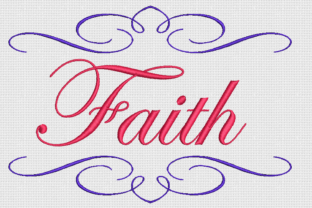
The moment you load the embroidery file into your software, the character of Faith reveals itself. The Edwardian script style is inherently elegant, characterized by sweeping curves, varied stroke widths, and a sense of historical romance. Unlike modern sans-serif fonts that scream "bold" or "minimal," this script whispers. It feels feminine, rustic, and deeply decorative. For a boutique brand, this aesthetic is gold. It suggests a product that is thoughtful, curated, and crafted with care.
In terms of layout, the design likely occupies a moderate footprint, making it versatile for various placements. The detail level in Edwardian script can be tricky; if the loops are too tight or the serifs too intricate, they can get lost on thick fabric. However, a well-digitized version maintains readability while preserving that ornate charm. It strikes a perfect balance between cute and sophisticated, avoiding the trap of looking too childish or overly formal. It feels like something you would see on a luxury lifestyle brand or a high-quality handmade product sold by an Etsy seller who values storytelling.
Application on Sweatshirt Embroidery
Sweatshirt embroidery presents unique challenges due to the thickness of the fabric and the nap of the fleece. This is where the true test of a design lies. I envision Faith shining on neutral tones—think oatmeal, cream, or soft grey heather. These backgrounds allow the thread colors to pop without competing with busy patterns. On dark fabrics, such as charcoal or navy, the contrast becomes even more dramatic, giving the design a bold, streetwear-adjacent vibe that still retains its elegance.
For a limited drop, placement is key. A classic chest placement works beautifully for a hoodie design, offering a subtle branding opportunity that doesn’t overwhelm the wearer. However, the versatility of this design allows for creative experimentation. Imagine Faith embroidered small on the cuff of a sleeve, adding a hidden detail that customers discover over time. Alternatively, a larger back print could turn the sweatshirt into a statement piece, perfect for cozy seasonal apparel or autumn collections. The design’s fluid lines adapt well to the natural drape of knit fabrics, ensuring it doesn’t look stiff or plastic-like once stitched.
Thread Colors and Fabric Texture
When selecting thread colors for Faith, consider the fabric texture. Cotton-polyester blends common in premium hoodies have a slight fuzziness that can soften sharp edges. To counteract this, I recommend using metallic threads or high-sheen polyester threads that catch the light. This adds a layer of visual recognition and elevates the perceived value of the item. If you are aiming for a minimalist look, tonal stitching (using a thread color similar to the fabric) creates a subtle, textured effect that appeals to buyers who prefer understated luxury.
Technical Considerations for Commercial Use
For any commercial embroidery project, technical precision is non-negotiable. As a professional reviewing this design for a small shop product, I must address several practical concerns. First, stitch density is crucial. Edwardian scripts often require dense fill stitches for the thicker parts of the letters. If the density is too high, the sweatshirt fabric may pucker or become stiff to the touch. Conversely, if it is too sparse, the design may look thin and cheap. You must ensure the digitizer has balanced these elements correctly.
Stabilizer choice plays a massive role in the final outcome. For heavy cotton fleece, a cut-away stabilizer is essential to provide long-term support and washing durability. Without proper stabilization, the tension of the thread can distort the hoop size area, leading to misalignment. Additionally, check the file format compatibility. The description notes that this machine embroidery design comes with multiple embroidery file formats, which is excellent news. It means you can use this digital embroidery file across different brands of embroidery machines, reducing hardware barriers for your production workflow.
Readability and Small-Scale Details
One common pitfall in script designs is losing legibility when scaled down. If you plan to use Faith for smaller accents, such as tags or pocket prints, zoom in on the design in your software. Are the connecting strokes clear? Do the loops close properly? If the design feels too delicate for small sizes, it is better suited for larger placements on the chest or back. Always produce a physical sample before committing to a full production run. This step is vital for verifying that the finished product meets your quality standards.
Brand Identity and Market Appeal
Using Faith in your collection does more than just decorate a garment; it communicates your brand’s values. Words carry weight, and "Faith" evokes trust, hope, and resilience. For a boutique brand, this emotional connection can drive customer engagement and loyalty. Buyers are increasingly drawn to handmade products that tell a story. By featuring this design, you are signaling that your items are not mass-produced commodities but thoughtful creations intended to inspire.
From a marketing perspective, Faith offers excellent opportunities for lifestyle product photography. The elegant script photographs beautifully against natural backdrops, wooden textures, or soft lighting setups commonly used by Etsy sellers and Instagram influencers. Printable mockups featuring this design can help you visualize how it looks in real-world scenarios, aiding in pre-launch marketing campaigns. It serves as a strong design asset that can be repurposed across various platforms, from social media teasers to detailed Etsy listings.
Enhancing Product Value
High-quality embroidery instantly elevates the perceived value of a sweatshirt. Customers are willing to pay a premium for custom apparel that features precise, durable stitching. The tactile experience of running your hand over the smooth, raised stitches of Faith reinforces the idea of craftsmanship. This sensory detail builds buyer trust and reduces return rates, as the product exceeds expectations upon arrival. Furthermore, the timeless nature of Edwardian script ensures that your designs remain relevant season after season, unlike fleeting trends.
Final Thoughts for the Creative Entrepreneur
Faith is more than just a font; it is a versatile tool for building a cohesive brand narrative. Its blend of vintage charm and modern applicability makes it suitable for a wide range of audiences, from young creatives to mature professionals seeking meaningful apparel. Whether you are designing for a niche market or expanding your general catalog, this design offers the flexibility to create standout pieces.
Before diving into production, remember to verify the specific technical details provided by the creator. While the design supports multiple formats, always confirm the recommended hoop size and stitch count for your specific machine capabilities. Ensure you have the right stabilizer and thread types on hand to achieve the best results. By paying attention to these details, you transform a simple digital file into a premium, wearable work of art that your customers will cherish.
In conclusion, Faith is a strong contender for any boutique sweatshirt line. It combines aesthetic appeal with commercial viability, offering a refined look that resonates with today’s conscious consumer. Embrace the elegance of Edwardian script, pair it with high-quality materials, and watch your brand identity take shape—one stitch at a time.