Love Retro Embroidery Design Review
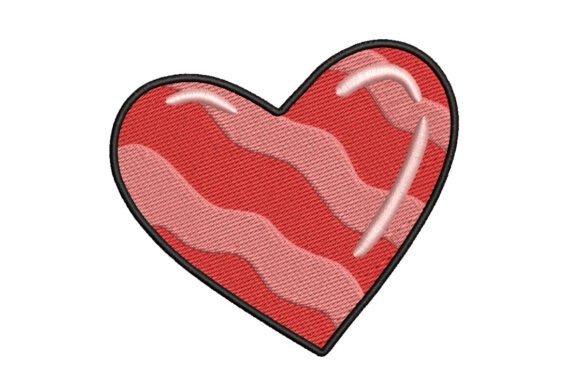
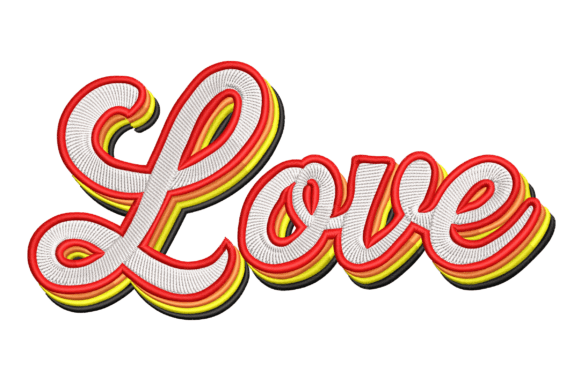
As an embroidery designer who has spent years refining digital files for commercial production, I look at every new design asset with a critical eye. We are not just looking for something that looks pretty on a screen; we are looking for viability, scalability, and brand impact. Today, I am reviewing the Love Retro machine embroidery design. Based on its description as a retro-styled piece featuring layered 3D shadows in red, yellow, and black, this file promises a bold pop of color and emotion. But does it hold up when transferred to actual merchandise? Let’s break down how this design performs for small business owners, Etsy sellers, and apparel decorators.
First Impressions: Bold Personality Meets Commercial Viability
The immediate visual takeaway from Love Retro is its high-contrast aesthetic. The combination of red, yellow, and black suggests a vintage vibe that is both playful and professional. In the world of branding, colors evoke specific emotional responses. Red commands attention, yellow offers warmth and optimism, and black provides grounding and sophistication. For a small business, particularly one in the lifestyle, bakery, or boutique space, this tri-color palette is highly effective.
From a design perspective, the "layered 3D shadow" feature is crucial. Flat designs can sometimes look cheap when stitched on textured fabrics like canvas or denim. A design with built-in depth tends to read better from a distance, making it ideal for signage, large tote bags, or uniform accents. It feels premium without being overly ornate, striking a balance between handmade charm and polished retail quality.
Real-World Applications for Small Business Merch
When evaluating a digital embroidery file for commercial use, I always ask: "Where will this live?" Here is how Love Retro translates across various product categories:
- Embroidered Patches: This design has strong potential as a standalone patch. The bold outlines and solid color blocks typically digitize well into patches, allowing them to be sewn onto jackets, caps, or backpacks as a statement piece. If you run a craft business selling custom patches, this file could serve as a bestseller during peak seasons.
- Apron Embroidery: For bakeries, florists, or coffee shops, aprons are a primary marketing tool. Placing Love Retro on the chest pocket or lower hem adds a touch of personality to staff uniforms. The retro style aligns perfectly with modern café aesthetics that value authenticity and warmth.
- Cap Embroidery: Caps require designs that fit within a curved constraint. If the word "Love" is stylized to follow a natural arc, this design could work beautifully on the front panel of a baseball cap. However, the density of the 3D shadow must be considered to prevent puckering on the structured fabric of a cap.
- Tote Bag Design: Canvas totes are a staple for handmade brands. The high contrast of the thread colors against neutral canvas (white, black, or beige) ensures visibility. This design serves as excellent branding that customers are willing to carry around, effectively turning shoppers into billboards for your brand.
- Custom Apparel: Beyond basics, this design works well on sweatshirts, hoodies, and work shirts. The retro theme appeals to a wide demographic, making it versatile for seasonal collections or year-round branded merchandise.
Strategic Brand Identity and Customer Trust
Using a design like Love Retro does more than decorate a product; it communicates your brand identity. Customers today buy into stories and aesthetics. A retro-styled logo suggests nostalgia, reliability, and a handcrafted approach. When a customer sees consistent branding across their products—whether it’s a sticker, a tag, or an embroidered patch—they perceive higher professionalism and trust.
For Etsy sellers and digital buyers, visual consistency is key. If your shop sells digital templates or printable mockups, having a cohesive set of design assets helps build a recognizable brand presence. Love Retro fits well into a collection of vintage-inspired graphics, enhancing the perceived value of your handmade products. It signals that you care about details, which directly influences buyer engagement and repeat purchases.
Critical Considerations for Production
While the concept is strong, execution is everything. As a designer, I advise caution in the following areas to ensure your finished product meets commercial standards:
- Small Patch Sizes: Test the design at its smallest intended scale. If the text becomes too narrow or the shadow layers merge together, the design will lose its impact. Ensure legibility is maintained before mass production.
- Stitch Density: High stitch counts can lead to stiffness and fabric distortion. Check the stitch density of the 3D shadow areas. If the fabric is lightweight, excessive density may cause puckering. Conversely, if the fabric is heavy, insufficient density might result in a flat, unimpressive look.
- Thread Color Contrast: The effectiveness of red, yellow, and black relies heavily on the base fabric. On dark uniforms, these colors will pop vividly. On light fabrics, you may need underlay stitches or specific thread choices to maintain vibrancy. Always review thread color contrast against your target material.
- Curved Surfaces: When embroidering on items like hats or sleeves, the curvature can distort straight lines. Inspect spacing carefully to ensure the design does not stretch unnaturally.
- Frequent Washing: For items like aprons or work shirts that undergo frequent laundering, durability is paramount. Ensure the design uses secure stitch types that resist fraying and fading over time.
Practical Designer Notes for Implementation
Before adding Love Retro to your production workflow, follow these essential steps:
- Test in Black and White: Convert the design to grayscale first. This helps identify if the composition holds up without relying on color. If the shapes are unclear in monochrome, they may struggle in full color.
- Check Hoop Size: Confirm the required hoop size matches your equipment capabilities. Large designs may require multiple hooping operations, which increases labor costs and risk of misalignment.
- Use Proper Stabilizer: The choice of stabilizer (cut-away vs. tear-away) significantly affects the final texture and stability. For stretchy fabrics or heavy garments, a cut-away stabilizer is usually necessary to maintain integrity.
- Create a Printable Mockup: Before committing to physical samples, create a printable mockup for client approval. This allows stakeholders to visualize the design on different products without wasting materials.
- Confirm Commercial Licensing: This is non-negotiable. Verify that you have the right to use this digital embroidery file for commercial purposes. Selling items with unlicensed designs can lead to legal issues and financial penalties.
- Inspect Fabric Texture: Different fabrics interact with thread differently. A design that looks smooth on cotton may look rough on polyester blends. Test on the actual fabric you plan to use for the final product.
In conclusion, Love Retro is a versatile and visually striking option for small business merchandising. Its retro aesthetic and bold color scheme make it suitable for a variety of applications, from embroidered patches to branded aprons. By paying close attention to technical details like stitch density, fabric compatibility, and licensing, you can leverage this design to enhance your brand identity and drive sales. Whether you are updating your Valentine’s Day collection or simply adding a timeless piece to your catalog, this design offers a solid foundation for professional, high-quality embroidery projects.