Shy Elephant with Heart Embroidery
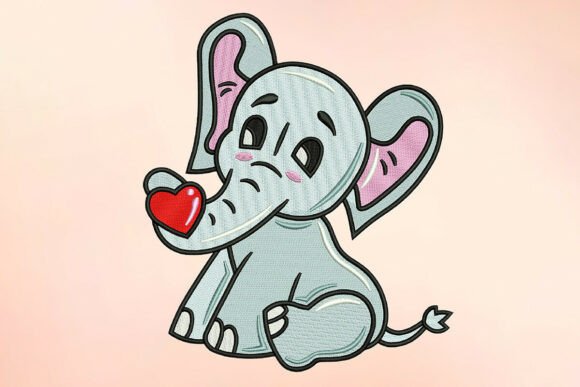
As an embroidery designer who has spent years turning digital files into tangible brand assets, I look at every new design through a specific lens: Is this commercially viable? Does it translate well from the screen to the hoop? Will it hold up on a customer’s chest or a staff member’s apron after fifty washes? Today, I am reviewing the Shy Elephant with Heart Embroidery file. This design features a precious cartoon layout of a shy elephant holding a little heart. It is categorized under Baby Animals and falls squarely into the realm of soft, emotive commercial embroidery.
For small business owners, Etsy sellers, and merch creators, choosing the right visual asset is critical. You are not just decorating fabric; you are building a brand identity. Let’s dive into how this specific design performs in real-world business applications, where it shines, and where you need to exercise caution.
First Impressions and Visual Personality
When I first loaded the Shy Elephant with Heart Embroidery file into my digitizing software, the immediate impression was one of warmth and approachability. The aesthetic is distinctly playful yet elegant enough for premium branding. It does not feel overly rustic or chaotic; instead, it offers a clean, modern cartoon style that appeals to a broad demographic.
The subject matter—a baby animal expressing affection—is universally liked. For brands in the bakery, florist, pet care, or handmade gift sectors, this imagery signals kindness and care. It feels professional without being stiff. The "shy" aspect adds a layer of personality that can help a brand stand out as friendly and relatable. However, because it is a cartoon layout, it leans heavily toward the decorative side. It is less suitable for corporate uniforms requiring strict professionalism but perfect for boutique merchandise, creative studios, and lifestyle brands.
Real-World Business Applications
So, where does this machine embroidery design actually make money? Based on my experience with similar assets, here are the most effective use cases:
- Embellished Patches: This design works exceptionally well as an embroidered patch. The central composition allows for clean trimming if you decide to add a merrow edge. These patches can be sewn onto denim jackets, canvas tote bags, or leather goods sold by your shop.
- Staff Uniforms and Aprons: For a café, bakery, or pet grooming salon, placing this design on the left chest of a work shirt or the pocket of an apron creates a welcoming atmosphere. It humanizes the staff and makes customers feel at ease.
- Caps and Headwear: Cap embroidery is a staple for merch. The compact nature of the elephant and heart fits perfectly within standard 3x3 or 4x4 inch hoop areas on baseball caps or beanies. It serves as a subtle brand mark rather than an overwhelming logo.
- Tote Bag Accents: A single, centered placement on a natural cotton tote bag elevates the product from a basic utility item to a branded fashion accessory. This is a high-margin item for craft businesses.
- Product Packaging: Use this design on hang tags, clothing labels, or even as a seal on packaging boxes. It adds a tactile, premium feel to your unboxing experience.
- Etsy Branding: If you sell digital downloads or physical handmade goods, this design acts as a strong visual anchor for your shop banner or product mockups.
Strategic Considerations for Commercial Use
While the design is charming, not every application is created equal. As a designer, I must highlight areas where this file requires careful handling to ensure a finished product that meets quality standards.
Size and Detail Limitations: Because this is a cartoon layout with potential fine details (like facial expressions or heart contours), scaling it down too far can result in a muddy mess. Avoid using this as a tiny logo on a pen or a very small tag. Keep the minimum finished size large enough for the stitch density to remain clear. If you are attempting a very small patch, test the design first to ensure the eyes and heart do not merge into a single blob.
Fabric and Surface Constraints: This design may struggle on highly textured fabrics like heavy burlap or loose-weave linen, as the stitches may not lay flat. Additionally, on dark uniforms, thread color contrast becomes paramount. If the elephant uses light threads, you will likely need a backing stabilizer or a contrasting base fabric to prevent the design from looking washed out. Conversely, on white or light apparel, ensure the outline stitches are dense enough to define the shape against the fabric.
Curved Surfaces: When embroidering on cap fronts or curved tote bag panels, the distortion of the fabric can stretch the design. Ensure your digitizing includes appropriate pull compensation so the elephant does not appear distorted when stitched onto a curved surface.
Impact on Brand Identity and Customer Trust
In the world of small business merch, consistency builds trust. Using a high-quality, professionally executed design like the Shy Elephant with Heart Embroidery signals that you pay attention to detail. Customers associate the quality of your embroidery with the quality of your products.
A well-executed embroidered patch or logo on an apron suggests durability and craftsmanship. It moves your brand away from "cheap print-on-demand" vibes and toward "handmade premium." This perception increases the perceived value of your items, allowing for higher price points. Furthermore, the emotional connection evoked by a cute elephant holding a heart can increase buyer engagement. People share photos of adorable, well-made merchandise on social media, providing you with free organic marketing.
Practical Designer Notes for Production
Before you send this file to production, follow these essential steps to avoid costly mistakes:
- Black and White Test: View the design in grayscale first. This helps you assess the balance of negative space and the clarity of the shapes without the distraction of thread colors.
- Check Stitch Density: Review the file settings. High stitch density on thin fabric can cause puckering. Low density on thick fabric can look sparse. Adjust if necessary to match your target material.
- Thread Color Contrast: Choose thread colors that pop against your chosen fabric. For a shy elephant, soft grays or blues might look elegant, but ensure they are visible. The heart should be a vibrant accent color to draw the eye.
- Stabilizer Selection: Always use the correct stabilizer. Cut-away stabilizer is recommended for garments that will be worn frequently, while tear-away may suffice for一次性 items like event tote bags.
- Hooping and Fabric Texture: Test hoop the design on your actual production fabric. Some fabrics shift during stitching, which can misalign the design elements.
- Create a Printable Mockup: Before committing to bulk production, create a printable mockup. Show this to clients or team members to get feedback on placement and scale.
- Verify Licensing: Most importantly, confirm the commercial licensing terms of the digital embroidery file. Ensure you have the right to sell physical goods made with this design. Do not assume standard licenses cover unlimited commercial production.
The Shy Elephant with Heart Embroidery is a versatile, emotionally resonant asset. When used strategically on the right products—such as aprons, caps, and patches—it can significantly enhance your brand’s visual appeal. By paying attention to technical details like stitch density and fabric choice, you can turn this cute design into a profitable, professional addition to your inventory.