Suhoor Lettering Script Ramadan Review
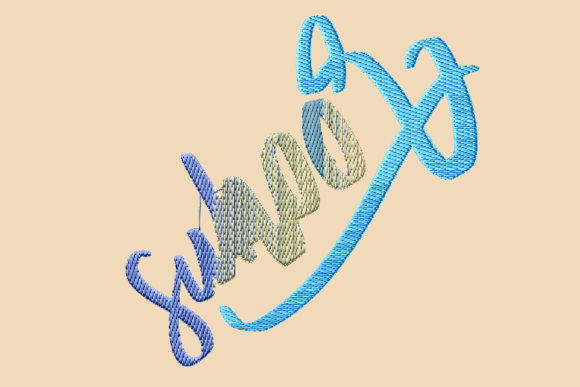
If you are preparing for the upcoming craft fair season or updating your Etsy seller inventory, you know that seasonal relevance is everything. As an experienced embroidery designer who spends weekends hunched over my hoop and weekdays managing a small shop, I have learned to judge a design not just by how it looks on a screen, but by how it performs in real life. Today, I am reviewing the Suhoor Lettering Script Ramadan design to see if it deserves a spot in your production queue.
This machine embroidery design taps into a specific, high-demand niche: the spiritual preparation of Ramadan. The title suggests a script-based aesthetic, which immediately signals elegance and intentionality. For handmade product creators, this is a golden opportunity to offer items that feel both festive and deeply personal. But does it translate well from a digital file to a physical booth display? Let’s dive into the details.
First Impressions and Aesthetic Appeal
When you first look at Suhoor Lettering Script Ramadan, the immediate vibe is one of refined minimalism mixed with festive warmth. Script lettering in the embroidery world can be risky; if the kerning is off or the thread tension is wrong, it looks messy. However, designs focused on "Suhoor"—the pre-dawn meal before fasting—usually carry a sense of calm, community, and devotion. This design likely captures that essence through flowing lines rather than rigid block letters.
For a craft fair booth, visual hierarchy is key. You want customers to stop walking when they see your table. A script design like this works beautifully as a focal point because it draws the eye inward. It feels premium rather than mass-produced. Unlike loud, cartoonish graphics, a tasteful script design appeals to buyers looking for something they can display proudly in their homes or use daily without feeling overly "costumey." It strikes a balance between decorative and functional, making it ideal for kitchen towel embroidery or subtle accents on apparel.
Product Versatility and Market Fit
The true test of any embroidery file is its versatility. Can it work across multiple product categories? In my experience, the best-selling items at handmade markets are those that serve a purpose while offering emotional value. Here is how Suhoor Lettering Script Ramadan might perform on various items:
- Tote Bags: A canvas tote with this script embroidered in the center or along the side seam is a classic bestseller. It serves as a gentle reminder of the season. Use a neutral bag color like cream, beige, or soft sage to let the lettering pop.
- Aprons and Tea Towels: Kitchen textiles are impulse buys at craft fairs. Placing the script near the hem of a tea towel or on the bib of an apron adds a touch of sophistication. These items photograph exceptionally well for online listings.
- Embroidered Patches: If the design allows for clean edges, converting it into an iron-on or sew-on patch opens up a whole new market. Customers love adding these to denim jackets, beanies, or backpacks.
- Caps and Beanies: Small-scale applications work well here. A left-chest placement on a baseball cap or centered on a beanie keeps the look understated yet meaningful.
- Pillow Covers: For home decor lovers, a throw pillow featuring this script can become a centerpiece for a guest room or living area during the holy month.
As a small shop product, having this design in your arsenal means you can cross-sell effectively. A customer buying a tea towel might also pick up a matching tote bag. This increases your average order value and makes your booth look cohesive.
Photography and Online Presence
Even if you primarily sell at physical events, having strong printable mockup assets is crucial for social media marketing. Script designs are highly photogenic. They lend themselves well to flat-lay photography with complementary props like dates, lanterns (fanous), or traditional tea sets. When you create listing images for your Etsy seller store, ensure the contrast between the thread colors and the fabric is sharp. Soft pastels on light fabrics can sometimes get lost in photos, so consider using a slightly darker thread shade for better visibility in digital thumbnails.
Practical Production Considerations
Before you commit to a large batch run, there are several technical factors to consider. Embroidery is unforgiving, and what looks perfect on a computer screen can fail on fabric if not prepared correctly.
Stitch Density and Detail
Script lettering often relies on fine lines and curves. You must inspect the stitch density carefully. If the design is too dense, the fabric may pucker, especially on lightweight materials like cotton tea towels. Conversely, if it is too sparse, the backing material may show through, giving it a cheap appearance. Check the hoop size requirements; if the design is wide, ensure your machine can handle it or plan to digitize it for multi-hooping if necessary.
Fabric and Stabilizer Choices
The choice of fabric texture plays a huge role in the final look. Smooth cottons and linens are generally safer bets for script designs because they provide a stable surface for the needle. Textured towels or heavy denims might distort the delicate curves of the lettering. Always use the right stabilizer. For cutwork or delicate scripts, a tear-away stabilizer might be sufficient, but for stretchy knits like caps or jersey totes, a cut-away stabilizer is non-negotiable to prevent distortion over time.
Thread Contrast and Color
Contrast is king. If you are embroidering on dark fabric, you need bright, saturated threads. If you are going for a tonal look (e.g., white thread on white fabric), ensure the lighting in your booth or photo studio is adequate to highlight the texture of the stitches. Avoid using too many thread colors unless the design specifically calls for them; simplicity often reads as higher quality.
Commercial Licensing and Final Judgment
One of the most critical steps for any commercial embroidery business owner is verifying licensing terms. Does the purchase of this digital file allow you to sell finished products? Many designers restrict sales to a certain number of units or require a separate commercial license. Do not assume; check the terms provided by the creator. Selling unlicensed goods can lead to serious legal issues and damage your reputation as a professional maker.
Additionally, always create at least one real mockup before listing the item. Test the design on scrap fabric that matches the weight and weave of your final product. Inspect the spacing between letters and ensure no parts of the script are too close together, which could cause tangling during stitching.
Why This Design Sells
In the crowded marketplace of handmade goods, Suhoor Lettering Script Ramadan stands out because it speaks to a specific cultural moment with grace. It is not just a decoration; it is a statement of faith and tradition. Buyers at craft fairs are looking for authenticity. They want to support makers who understand the nuances of the holidays they celebrate. By offering this design on high-quality staples like tote bags and aprons, you are providing value that resonates emotionally.
Ultimately, this design has strong potential for boosting your sales during the Ramadan season. It offers a blend of elegance, cultural relevance, and practical utility. Just remember to do your due diligence on production details—check your stitch counts, choose your fabrics wisely, and present your work with pride. When executed well, Suhoor Lettering Script Ramadan can be more than just a design; it can be the centerpiece of your most successful craft fair weekend yet.