Victorian Embroidery Backgrounds Review
As an embroidery designer who spends hours digitizing and testing files, I am always on the lookout for machine embroidery designs that offer more than just a simple motif. When browsing Creative Fabrica, I recently came across the Victorian Embroidery Backgrounds collection. While it is categorized under Patterns and Graphics, its visual texture and intricate detail make it a compelling candidate for high-end boutique apparel projects. This review explores how these backgrounds might translate from digital graphics to physical sweatshirts, hoodies, and tote bags.
First Impressions: Visual Mood and Design Strength
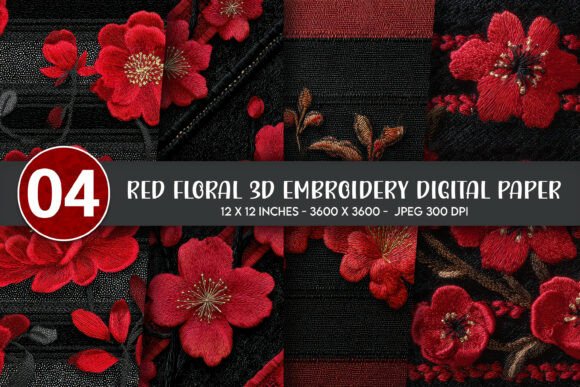
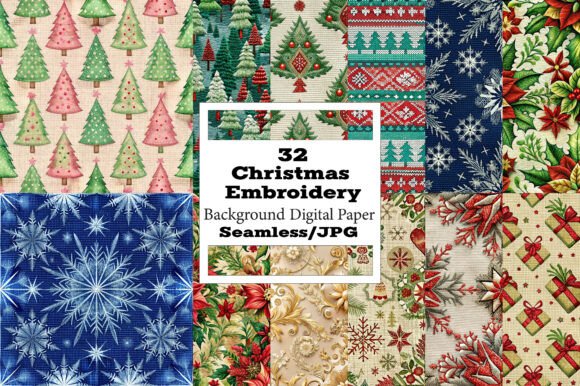
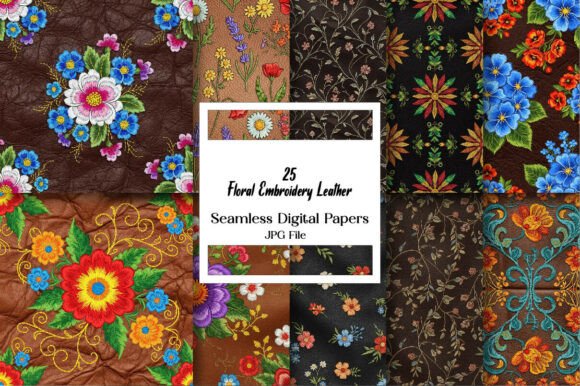
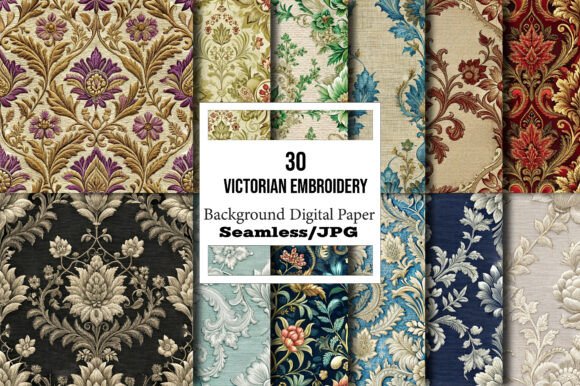
The immediate appeal of Victorian Embroidery Backgrounds lies in their decorative strength. The design carries a classic, feminine, and slightly rustic mood, reminiscent of antique lace or heirloom quilting. For designers building a cohesive brand identity, this aesthetic offers a premium feel without being overly ornate. It strikes a balance between bold and minimal, making it versatile for various seasonal collections.
Unlike standard floral motifs, these backgrounds provide a textured canvas. They are not merely empty space fillers; they have a distinct personality. Whether you are aiming for a trendy vintage look or a timeless, elegant style, the intricate details suggest a high-quality finished product. This level of detail can significantly enhance brand identity and buyer trust, as customers often associate complex, well-executed designs with superior craftsmanship.
Application on Boutique Apparel
For small clothing brands and Etsy sellers, the versatility of these backgrounds is a major asset. Here is how they might perform across different garment types:
- Sweatshirt Embroidery: On neutral heather gray or soft pastel hoodies, the Victorian patterns can serve as all-over prints or large chest placements. The contrast against the fleece texture creates a sophisticated look that stands out in social media graphics.
- Hoodie Chest Placement: A scaled-down version of the background can work beautifully as a subtle texture behind text or logos, adding depth to custom apparel.
- Sleeve Accents and Back Designs: These backgrounds are ideal for full-back designs on oversized garments. They allow the wearer to showcase a statement piece while maintaining a sense of mystery and elegance.
- Tote Bags and Lifestyle Products: As noted in the product description, these are excellent for tote bags and notebook covers. The seamless nature of the pattern allows for continuous stitching or printing, which is perfect for printable mockups and lifestyle product photos.
Color and Fabric Considerations
When planning your thread colors, consider the base fabric. On dark garments, light-colored Victorian patterns will pop dramatically, creating a striking contrast. However, on dark fabrics, ensure the stitch density is sufficient to prevent the fabric color from showing through. Conversely, on light or white apparel, darker threads can provide a sharp, graphic look. Testing on scrap fabric is crucial to determine how the thread interacts with the specific fabric texture of your chosen garments.
Practical Designer Notes and Technical Checks
Before committing to a production run, there are several technical aspects to consider. Since this product is listed as a graphic pattern, verifying its suitability for direct machine embroidery requires careful attention.
- Stabilizer Choice: Depending on the weight of your sweatshirt or hoodie material, you may need a cut-away stabilizer to prevent puckering, especially if the background design is dense.
- Hoop Size: Ensure your hoop size accommodates the desired placement. For all-over effects, you may need to re-hoop multiple times, which requires precision to maintain alignment.
- Stitch Density: Review the stitch density carefully. If the pattern is too dense for lightweight fabrics, it may become stiff and uncomfortable. For heavy fleece, higher density is acceptable but should be balanced for comfort.
- Licensing and Details: Always check the Creative Fabrica product details regarding licensing before selling finished products. Confirm whether the file is provided as a direct embroidery file or if it requires conversion from a graphic format. If it is a graphic, you will need to digitize it yourself, ensuring the final output meets commercial standards.
Where to Use with Caution
While these backgrounds are versatile, there are areas where they may not perform optimally:
- Small Chest Placement: If the pattern is too intricate, scaling it down for a small left-chest logo may result in lost detail or a muddy appearance.
- Dense Stitch Areas: Avoid placing dense Victorian patterns over ribbed fabric or curved surfaces like shoulders, where stretching can distort the design.
- Tiny Lettering: If combining text with the background, ensure the lettering is legible. Complex backgrounds can compete with typography, reducing readability.
- Stretchy Fabrics: Test on similar garment fabric first. Stretchy materials can cause the embroidery to warp, altering the intended geometric or organic flow of the Victorian pattern.
Impact on Product Value and Brand Identity
Incorporating Victorian Embroidery Backgrounds into your small shop product line can elevate the perceived value of your items. Customers are drawn to unique, visually consistent designs that tell a story. A well-executed Victorian background suggests attention to detail and quality, which can lead to higher customer engagement and repeat business.
For digital sellers and those creating printable mockups, these backgrounds offer endless possibilities. They can be used for sublimation graphics, party napkins, and scrapbook decoupage, allowing you to diversify your offerings beyond traditional apparel. This versatility makes them a valuable addition to any creative entrepreneur’s toolkit.
Final Thoughts
The Victorian Embroidery Backgrounds collection offers a rich, textured aesthetic that can transform basic apparel into standout boutique pieces. By carefully considering fabric choice, stitch density, and placement, designers can create professional, high-value products that resonate with customers. Whether you are designing for cozy seasonal outfits or stylish everyday wear, these backgrounds provide a solid foundation for creative expression. Remember to test thoroughly, respect licensing terms, and prioritize the tactile experience of your finished products to ensure long-term success in the competitive handmade market.