Review: Faux Embroidery Black History Png
As a designer who spends more time than I care to admit staring at stitch density charts and testing thread tension, I approach every new digital asset with a healthy dose of skepticism. The market is flooded with "embroidery-style" graphics that look great on a screen but fall apart when translated into physical thread. That is exactly why I decided to put Faux Embroidery Black History Png through its paces. This isn't just about aesthetics; it is about whether this design can survive the rigors of real-world production for small business owners, Etsy sellers, and crafters looking to create high-quality, meaningful merchandise.
First Impressions and Visual Personality
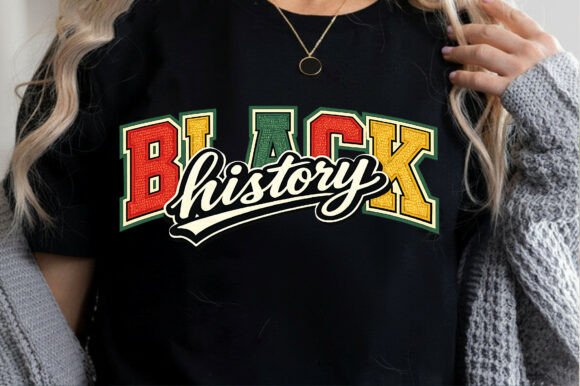
When you first load this file, the immediate takeaway is the texture. Unlike flat vector art, this design leverages a 3D texture effect to mimic the depth of actual machine embroidery. The typography is bold, leveraging Pan African colors to create a striking visual hierarchy that feels both celebratory and grounded. For an embroidery project centered on heritage and pride, the mood is spot-on. It doesn't feel like a generic clip-art afterthought; it feels like a statement piece.
The layout is clean enough to work well in standard hoop sizes, which is a critical factor for efficiency. If you are running a craft business, time is money, and designs that require excessive trimming or complex re-hooping will eat into your profit margins. This design strikes a balance between detailed typographic elements and open space, allowing the eye to rest while still delivering impact. It has a professional polish that suggests it belongs in a boutique setting rather than a casual garage sale table.
Real-World Application: The Tote Bag Test
To truly evaluate any machine embroidery design, you have to imagine it on a product. Let’s take a common scenario: preparing custom embroidered tote bags for a local market or an online store. Tote bags are a staple for Etsy sellers because they are versatile, durable, and appeal to a broad audience. However, fabric texture on canvas totes can be inconsistent, often leading to puckering if the stitch density is too high.
This embroidery file performs surprisingly well in that context. The faux-embroidery style, when printed or used as a guide for actual stitching, provides enough visual weight to stand out against the rough weave of canvas without overwhelming the bag. Imagine a black canvas tote featuring the Pan African color palette in this textured style. The contrast would be sharp, and the "handmade" appeal would be heightened by the perceived complexity of the design. It transforms a simple accessory into a conversation starter, increasing the perceived value of the finished product.
I also envision this working beautifully on sweatshirt embroidery. A cream or heather grey hoodie with this design centered on the chest offers a cozy yet stylish aesthetic. It fits the current trend of wearable art that supports social awareness. For personalized gifts, such as graduation gifts or holiday presents, this design carries emotional resonance that plain text cannot match. Buyers are not just purchasing a garment; they are purchasing a sentiment, and this design delivers that effectively.
Where Caution Is Required
While this design is strong, no single graphic is perfect for every application. There are specific scenarios where Faux Embroidery Black History Png requires careful consideration. First, avoid using this on highly textured fabrics like heavy bouclé or loose-weave linen unless you are using a substantial stabilizer. The faux-texture of the design might get lost or distort if the underlying fabric moves too much during the stitching process.
Additionally, be wary of attempting this on stretchy fabrics like thin jersey knits without proper stabilization. While the design itself looks stable, the translation to thread can cause distortion if the fabric stretches under the needle. Curved surfaces, such as baseball caps, present another challenge. The typography here is likely designed for a flat plane. Stretching it over the curve of a cap might warp the lettering, so test carefully before committing to a batch production.
Small hoop sizes are another potential pitfall. If you attempt to downscale this design too much, the details in the faux-stitch texture may blur together, losing the 3D effect entirely. Keep the minimum size large enough to preserve the integrity of the letterforms and the color separation. For tiny accessories like baby clothes, ensure the scale remains legible. You want the recipient to appreciate the detail, not squint to identify the theme.
Design Notes for Professional Results
If you are planning to use this in your commercial embroidery workflow, there are a few practical steps to ensure success. Always test the design on scrap fabric first. This is non-negotiable for any serious maker. Check how the thread colors interact with your specific fabric choice. The Pan African colors are vibrant, but on dark fabric, you may need to adjust the thread selection or add an underlay to prevent the bright colors from appearing muddy.
Inspect the small details closely. In faux-embroidery PNGs, sometimes the illusion relies on shadows and highlights that might not translate well to actual satin stitch or fill stitch. If you are printing this as a transfer, ensure your printer handles the gradient textures well. If you are digitizing it yourself, pay attention to the stitch density. You may need to reduce the density slightly to prevent bulkiness, especially on garments that will be worn frequently.
Consider the end-use of the handmade product. Will it be washed often? Designs with intricate details can snag if not finished cleanly. Trim all threads meticulously. Also, think about your brand consistency. Does this bold, colorful style align with your shop’s aesthetic? It works exceptionally well for brands focused on cultural celebration, empowerment, and community. It might feel out of place in a minimalist or monochrome shop.
Final Verdict
Faux Embroidery Black History Png is a versatile and visually compelling asset for designers and makers. It bridges the gap between digital art and tactile craftsmanship effectively. Whether you are creating tote bag design variations, updating your Etsy listings, or crafting special holiday embroidery projects, this design offers a strong foundation. It respects the viewer’s intelligence with its thoughtful color usage and texture, making it a worthy addition to your library of design assets.
Just remember to respect the limitations of the medium. Test thoroughly, choose the right fabric, and let the quality of your execution speak for itself. When done right, this design doesn't just look good—it feels authentic. And in the world of handmade goods, authenticity is everything.
- Best suited for flat surfaces like totes, shirts, and aprons.
- Ensure adequate hoop size to preserve typographic detail.
- Test thread contrast against dark and light fabrics.
- Verify licensing terms before selling finished commercial items.
- Use high-quality stabilizer to prevent fabric distortion.